Choosing the right approach to capturing heavenly light in images starts with clear context, practical filters, and realistic expectations.
Introduction to Heavenly Light
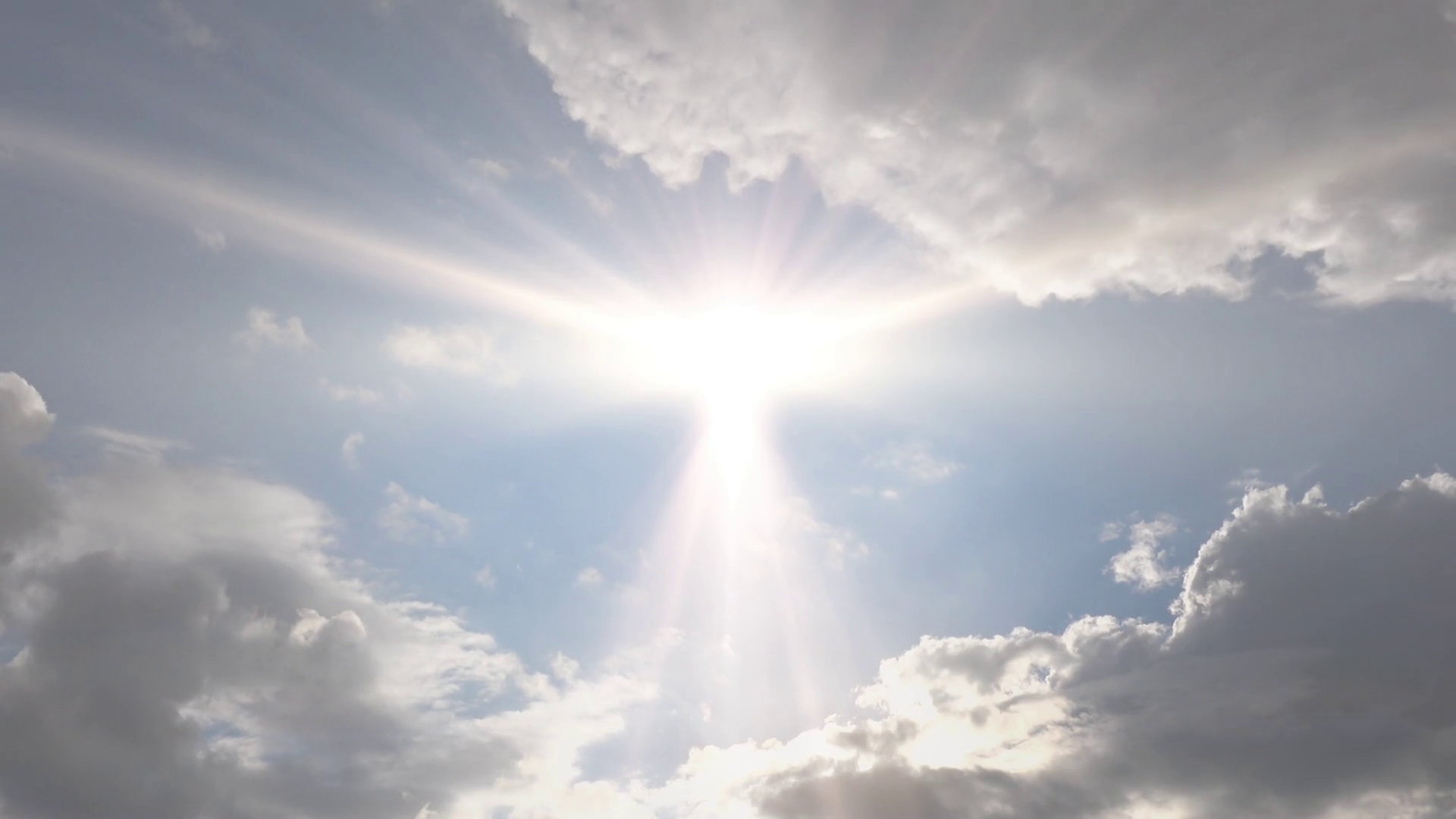
Heavenly light is a breathtaking phenomenon that has captivated the imagination of artists, photographers, and spiritual seekers for centuries. The soft, ethereal glow of heavenly light can evoke feelings of serenity, wonder, and awe, making it a popular subject in photography and art. Whether you're a professional photographer or an amateur enthusiast, capturing heavenly light in images can be a rewarding and creative pursuit.
Understanding Heavenly Light Heavenly light is often associated with the golden hour, a period shortly after sunrise or before sunset when the sun's rays pass through the
Earth's atmosphere at a shallow angle, casting a warm, soft light. This type of light is ideal for capturing images of landscapes, portraits, and still-life compositions. However, heavenly light can also be observed during other times of the day, such as during overcast weather or in the presence of fog or mist.
Characteristics of Heavenly Light Heavenly light is characterized by its soft, diffused quality, which can create a sense of depth and dimensionality in images. It can also produce a range of colors, from warm golden tones to cool blue hues, depending on the time of day and atmospheric conditions. To capture heavenly light effectively, photographers need to understand how to work with these
characteristics and use them to create visually striking images.
Tips for Capturing Heavenly Light Capturing heavenly light in images requires a combination of technical skill, creative vision, and patience. Here are some
tips for photographers looking to capture this beautiful phenomenon:
- Shoot during the golden hour, when the light is soft and warm.
- Use a tripod to stabilize the camera and avoid camera shake.
- Experiment with different angles and compositions to add depth and interest to the image.
- Pay attention to the color palette and adjust the white balance accordingly.
- Be prepared to shoot in a variety of weather conditions, including overcast and foggy weather.
Examples of Heavenly Light in Images
Heavenly light can be observed in a wide range of images, from landscapes and portraits to still-life compositions and abstract art. Here are a few examples:
- A landscape photograph of a misty valley at sunrise, with the soft light casting a golden glow on the mountains and trees.
- A portrait of a person standing in a field of flowers, with the warm light of the golden hour creating a sense of intimacy and connection.
- A still-life composition of a bowl of fruit, with the soft light of an overcast day creating a sense of depth and dimensionality.
Common Mistakes to Avoid When capturing heavenly light in images, there are several common mistakes to avoid. These include:
- Shooting in harsh, direct light, which can create unflattering shadows and highlights.
- Using the wrong white balance, which can result in an unnatural color palette.
- Failing to experiment with different angles and compositions, which can lead to dull and uninteresting images.
- Not being prepared for changing weather conditions, which can result in missed opportunities and disappointing results.
Tools and Software for Capturing Heavenly Light
There are a number of tools and software available to help photographers capture and edit images of heavenly light. Here are a few options:
- Adobe Lightroom and Photoshop, which offer advanced editing tools and filters for enhancing and manipulating images.
- Skylum Luminar, which provides a range of filters and effects for creating stunning landscape and portrait images.
- Capture One, which offers advanced RAW image editing and tethered shooting capabilities.
- Nik Collection, which provides a range of filters and effects for creating stunning black and white and color images.
- Topaz Labs, which offers advanced noise reduction and sharpening tools for enhancing image quality.
Workflow Tips for Capturing Heavenly Light To capture heavenly light effectively, photographers need to have a solid
workflow in place. Here are a few tips:
- Plan ahead and scout out locations in advance to ensure the best possible light.
- Shoot in RAW format to capture the maximum amount of image data.
- Use a tripod and remote shutter release to minimize camera shake and vibration.
- Experiment with different angles and compositions to add depth and interest to the image.
- Edit and enhance images using a combination of global and local adjustments.
Conclusion
Capturing heavenly light in images is a rewarding and creative pursuit that requires a combination of technical skill, creative vision, and patience.
By understanding the characteristics of heavenly light, using the right tools and software, and following a solid workflow, photographers can create stunning images that evoke feelings of serenity, wonder, and awe.